July 7, 2026
Why Restoration Contractors Prefer AI Over Traditional Estimating Software for Damage and Cost Estimates
One of the biggest problems associated with restoration jobs is poor estimating.

One of the biggest problems associated with restoration jobs is poor estimating. Between contractors who still use the pen-and-paper method and those who rely on ineffective or outdated software, the result is low-quality work and money waste.
The problem is more prevalent among small and medium companies that haven’t yet upgraded their estimating tools and the issue is widespread across most administrative sectors. Log-keeping is one of them, as poor records can even lead to regulatory and compliance problems, aside from impacting job quality overall.
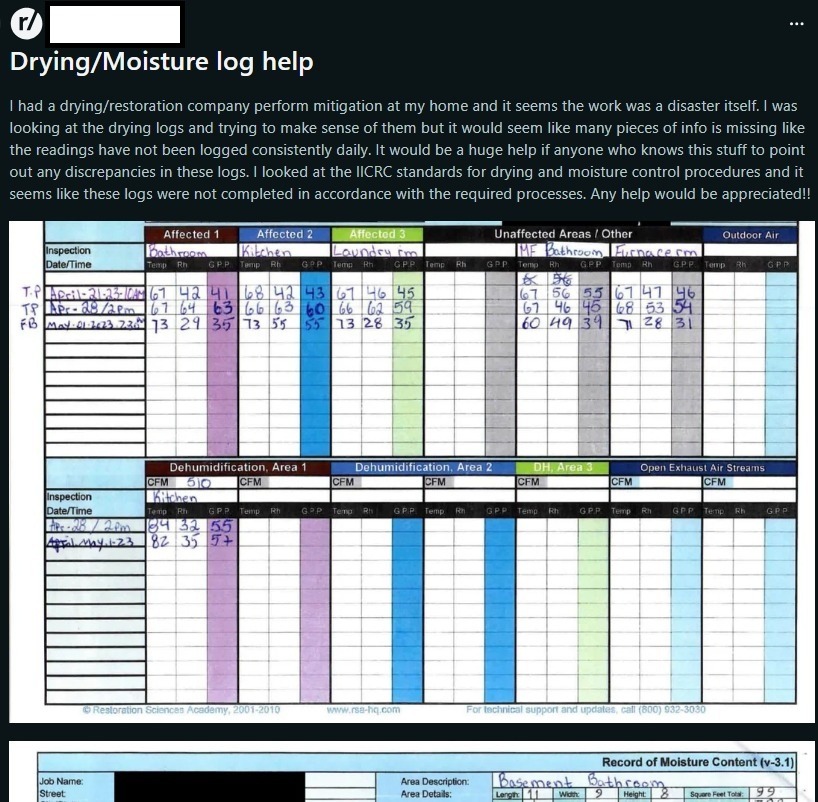
Traditional estimating software is superior to the classic pen-and-paper method, allowing for more accurate paperwork management and estimating, but it doesn’t come without flaws. In 2026, AI may provide the solutions.
Why AI is Better Than Traditional Estimating Software for Restoration Jobs
The most glaring problem with traditional estimating software today is the reliance on the human element. Even the most advanced estimating tools still require manual input. The technician needs to inspect the site, assess the damage, and put everything into the software manually.
Some of the entries will likely include services like:
- Remove wet drywall and install the new one
- Remove the insulation
- Replace the flooring
- Use dehumidifiers
- Perform antimicrobial treatment, etc.
In some cases, we’re talking about typing in dozens or even hundreds of different elements for one job alone. Miss one and the entire project may go off-track.
This is one weak spot that AI can solve by analyzing photos and videos to identify potential damages, recommend missing service entries, and help contractors save time with data entry.
A custom AI-powered software can also take a raw piece of narration like:
“Two bedrooms and living room flooded. Water seeped three feet up the drywall. Hardwood flooring buckled in the living room. Four air movers installed.”
…And convert it into structured documentation for the estimate draft, reducing paperwork and helping technicians save a lot of time in the process.
Plus, traditional software treats each job separately, which means every estimate is a standalone project, making it prone to miscalculations and errors. AI remembers and learns from previous jobs and can compare each project with all of the previous ones.
This allows the AI-powered software to highlight frequently overlooked tasks, expected materials and equipment necessary, and approximate labour hours based on past performances.
[CTA_INSERT]
Using AI to Build Custom Estimating Software in Restoration Jobs
Despite AI’s effectiveness and adaptability in the blue-collar space, most contractors still rely on standard CRM and field service software to conduct their operations. Part of that is because they either don’t realize that AI is a valid option or they don’t yet trust it.
This forces businesses to work with software tools that come with glaring blind spots or, even worse, use pen-and-paper spreadsheets.
The alternative is using AI to build a custom estimating software, tailored to their operational flow specifically. The reason this works is because businesses operate differently, even those in the same trade, and only contractors know what they need and how to improve their project management.
Customizability is the word of the day here, as expert restorator Justin Donate, CEO of True North Restoration, demonstrated during one episode of Blue Collar Builders. Justin used AI to create his own piece of software to replace 11 other tools that were tracking things like finances, field documentation, CRM services, and estimating apps.
By doing so, he not only centralized all those services in one software, but saved money on the different subscription plans and gained full ownership of his company’s data as well.
This is just one example of contractors using AI to create business-specific pieces of software that solve problems standard industry tools can’t.
Building Custom Estimating Software For Restoration Jobs with Dalton Mills
Dalton Mills offers contractors the AI tools they need to create their own estimating apps and service software without any coding necessary.

The problem Dalton Mills is trying to solve is the lack of customizability associated with standard estimating tools today. Restoration companies often perform vastly different estimating jobs, depending on their specialization and operational routine.
For instance, a restoration business specialized in water damage mitigation will produce different estimates compared to one dealing with fire, mold, or storm damages. Some companies also prefer to work exclusively with insurance claims, while others prioritize the customers’ needs.
The company’s geographical location also matters in this sense, because things like drying techniques, material costs, and construction methods may differ in humid coastal areas from those in hot or cold climates.
Standard estimating apps don’t account for these differences, which forces contractors to find ways to fit their operations into the software.
With Dalton Mills, they can now create their own estimating tool just the way they need it and adapt the software to their operations instead. It’s more convenient, more advantageous, and it’s easy to do, since there’s no coding involved.
Plus, you can use Dalton Mills to create any other piece of software your business needs, whether it’s an AI agent to handle the customer support department, a field-service tool organizing crew dispatch, or an intelligent dashboard tailored to the business’s needs.
If you want to test Dalton Mills yourself and see what it can do, apply for early access on the official page today.
Build the tools your trade needs.
Dalton Mills gives people in the trades the opportunity to create custom workflows and software tools without any prior technical experience.
Apply For Early AccessRead next
How Much to Charge for Roofing Jobs in 2026
Industry data today shows that the average roofing business racks in a net profit of around 2.8%, which means around half of them are making less than that.
October 6, 2026
How Google Ads Work for Plumbing Businesses
Plumbers can and should use a variety of marketing strategies to increase their clientele and gain more market visibility.
October 5, 2026

How to Price Window Cleaning Services in 2026
A piece of industry data shows that around 64% of window cleaning services earn under $100K annually.
October 4, 2026